Eco-Friendly Approaches: How E-Waste Recycling Services Are Preserving Our Planet
E-waste represents a considerable hazard to the environment, as discarded electronics often contain toxic materials. These toxic materials have the potential to taint soil and water sources, resulting in widespread environmental harm. Electronic waste recycling programs offer an effective remedy. They successfully retrieve useful resources while simultaneously minimizing environmental pollution. Gaining insight into how these programs function and affect local communities is critical. The path to successful electronic waste management prompts vital discussions about personal accountability and communal efforts. What actions should be considered going forward?
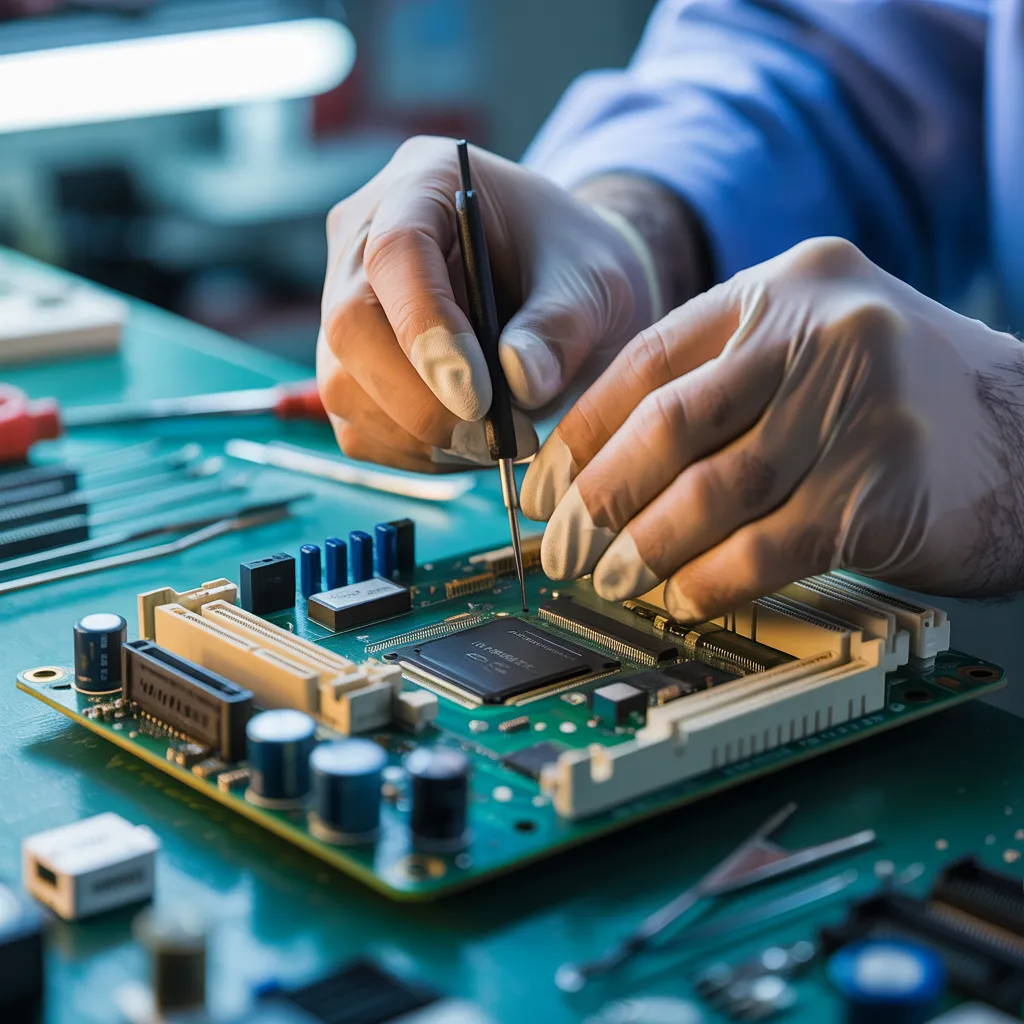
Why Electronic Waste Is Harmful to the Planet
Although technology enriches modern life, e-waste creates considerable environmental hazards. Abandoned electronic gadgets, often containing toxic substances including cadmium, lead, and mercury, may release harmful substances into the surrounding soil and water supply, creating hazards for human health and ecosystems. The accelerating rate of technological innovation results in increased consumer turnover of electronics, exacerbating the accumulation of e-waste.
Landfills, already overwhelmed with refuse, find it difficult to handle the increasing amounts of discarded devices. Incineration, a common waste management technique, emits dangerous pollutants into the environment, degrading atmospheric conditions. Moreover, poor recycling procedures can cause e-waste to be sent to developing regions, where employees may disassemble electronics without sufficient safety precautions, leaving them vulnerable to harmful substances. This pattern of negligence and mismanagement highlights the critical demand for eco-friendly recycling alternatives that can reduce the damaging impact of electronic waste on the environment.
What Is E-Waste and Why Does It Matter?
E-waste, or electronic waste, includes discarded electronic devices like televisions, computers, and smartphones that have exceeded their operational lifespan. This growing category of waste is significant because of its swift buildup, fueled by innovation in technology and shifting consumer habits. As growing numbers of electronics become outdated, the toll on the environment grows more severe, with toxic materials such as lead, mercury, and cadmium threatening both ecosystems and public health.
The significance of tackling e-waste extends beyond minimizing these risks to recognizing the valuable resources it holds. Precious metals and rare earth elements can be recovered and reused, reducing the need for mining and conserving natural resources. With a thorough understanding of e-waste and its impact, people and organizations alike can make educated decisions about disposal and recycling, helping to build a more sustainable world. Proper management of e-waste is essential for fostering a circular economy and promoting environmental stewardship.
How E-Waste Recycling Works
Recycling e-waste involves a systematic process designed to recover valuable materials while reducing harm to the environment. Initially, discarded electronics are retrieved and sent to purpose-built recycling plants. Upon arrival, the devices undergo thorough sorting to separate hazardous components from recyclable materials.
Subsequently, specialists break down the products, recovering glass, metals, and plastics. This stage is crucial, as it makes possible the extraction of precious metals like gold, silver, and copper, which are repurposed in new electronic products.
Next, the isolated materials are refined through sophisticated techniques, such as shredding and specialized chemical treatments, to cleanse them for reuse.
Ultimately, the leftover hazardous materials are disposed of responsibly, adhering to environmental regulations. This multi-step approach not only preserves valuable resources but also reduces the dangers connected to unsafe e-waste handling, guaranteeing a greener future for electronic consumption.
How E-Waste Recycling Benefits You and Your Community
Although it often goes unnoticed, the advantages of e-waste recycling extend beyond personal convenience to positively impact entire communities. By responsibly disposing of electronic waste, individuals help foster a cleaner environment, reducing hazardous materials that can seep into soil and water. This forward-thinking practice helps preserve local ecosystems and supports public health.
Furthermore, electronic waste recycling supports workforce growth within communities. Local recycling facilities often require personnel for various operations, covering everything from collection to processing, thus generating valuable job opportunities for local residents. This not only enhances the community economy but also inspires community dedication to sustainable efforts.
Additionally, awareness of e-waste recycling can lead to educational initiatives, equipping residents to pursue greener alternatives. By enrolling in e-waste recycling programs, individuals promote a culture of sustainability, encouraging others to follow suit. Ultimately, the shared impact of these actions can create a more robust and eco-friendly community.
A Guide to Selecting an E-Waste Recycling Service
Picking the right e-waste recycling service is crucial for making sure that electronic refuse is processed in a responsible and sustainable manner. First, individuals should confirm the provider's accreditations, such as e-Stewards or R2, which demonstrate compliance with professional guidelines for secure waste disposal procedures. It is equally important to evaluate the provider's credibility by reviewing feedback and obtaining advice from dependable sources.
Next, openness in the recycling process is crucial. A trustworthy service should supply straightforward details about the way e-waste is handled and how the materials are utilized. Furthermore, considering the scope of services provided can prove valuable; some companies may provide pickup services or offer incentives for recycling.
Furthermore, familiarizing yourself with local regulations regarding e-waste disposal can additionally influence the decision-making View more process. Through focusing on these key aspects, residents can actively participate in efficient electronic waste handling alongside encouraging eco-friendly habits.
How You Can Take Part in E-Waste Recycling?
Getting involved with e-waste recycling can start at the local level, where recycling centers often provide essential services for proper disposal. Furthermore, taking part in community awareness campaigns can amplify efforts to raise awareness about the importance of ethical e-waste practices. Such efforts not only encourage sustainable practices but also cultivate a collective sense of responsibility toward the environment.
Regional Recycling Centers
Many community recycling facilities play an essential role in the recycling of e-waste, giving communities practical solutions to manage electronic waste appropriately. These facilities handle a variety of electronic equipment, including used computers, handheld devices, and televisions, verifying that toxic materials are disposed of safely. Most centers are equipped with experienced team members who are able to assist individuals with correct disposal techniques, stressing the significance of recycling instead of landfilling. In addition, numerous facilities provide drop-off events or designated collection days, enabling residents to engage without difficulty. By taking advantage of these neighborhood resources, individuals contribute to a circular economy, minimizing ecological impact and fostering sustainable behaviors. Partnering with these facilities encourages communities to fight e-waste pollution decisively.
Community Awareness Campaigns
Community groups, educational institutions, and companies can partner to arrange initiatives that encourage e-waste collection drives. Community members can serve a critical function in spreading awareness, distributing educational materials, and engaging with the community. Through these collective efforts, community members grow more knowledgeable and inspired to dispose of their electronics responsibly, ultimately contributing to a more sustainable future.
Common Questions and Answers
What Electronic Devices Are Eligible for Recycling?
Numerous electronics may be recycled, including smartphones, computers, laptops, televisions, printers, and gaming consoles. Furthermore, peripherals such as mice, keyboards, and batteries are also suitable for recycling, aiding in environmental conservation efforts.
Do Any Costs Come With E-Waste Recycling?
Yes, electronic waste recycling can include charges, subject to the service provider. Some facilities impose charges for gathering or treatment, while other facilities provide no-cost solutions, often subsidized by the sale of reclaimed components.
How Can Businesses Benefit From E-Waste Recycling?
Organizations can gain from e-waste recycling by minimizing disposal costs, improving their green reputation, complying with regulations, recovering valuable materials, and possibly earning income through resale, thereby fostering a more environmentally responsible business approach.
What Occurs with Data on Recycled Devices?
Information from refurbished equipment is often completely removed or eliminated throughout the recycling process. This confirms private details remains secure, preventing unauthorized access while enabling materials to be recycled securely and sustainably across new manufacturing processes.
Are Broken Electronics Eligible for Recycling?
Indeed, defective electronics are able to be recycled. Numerous recycling centers process damaged devices, ensuring responsible disposal and recovery of recoverable materials. It helps decrease environmental impact while supporting eco-friendly recycling methods to handle electrical waste effectively.
Comments on “Electronics Recycling Services: Reliable Disposal Services for Homes”